Qu'est ce que la marqueterie ?
Qu'est ce que la marqueterie? Quelle est cette spécialité de l'ébénisterie?
Qu’est-ce que la marqueterie ?
Le dictionnaire Larousse donne la définition suivante : ouvrage de bois de rapport, accessoirement de métal ou d’autres matières de diverses couleurs, appliqué sur de la menuiserie par feuilles minces ou placage formant divers dessins.
Mais avant toute chose, la marqueterie est une branche de l’ébénisterie que l’on peut considérer comme un art véritable, hérité de l’antiquité et ressuscité au XIIème siècle en Italie.
La France participe à l’essor de cet art avec les styles Louis XIII et Louis XVI, ainsi que l’art nouveau marqué par le célèbre Emile Gallé.
Quels sont les composants ?
A la différence des mosaïques qui sont des marqueteries de verres ou de pierres dures, la marqueterie est le plus souvent une mosaïque de bois. Il s’agit d’un catégorie spécifique et même fondamentale de l’ébénisterie.
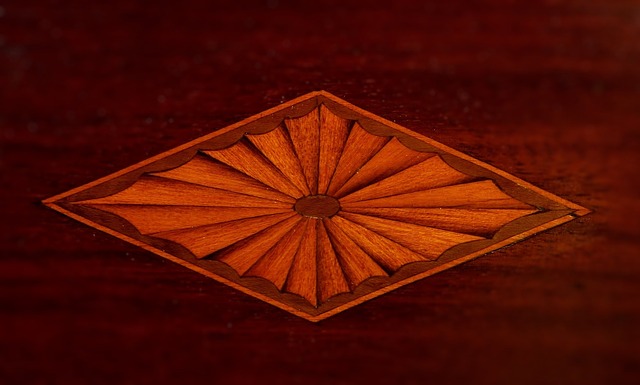
Le marqueteur travaille des essences rares (amarante, bois de rose, ébène), les découpe en lames très fines, les assemble pour en faire une composition qui viendra décorer un meuble, un objet, un tableau.
La technique qui consiste à plaquer ces compositions sur le mobilier, le tableau, se nomme le placage : les pièces sont assemblées avec de la colle chaude et passées sous presse.
Le marqueteur utilise aussi d’autres supports que le bois dans ces compositions, à savoir les métaux précieux comme l’or, l’argent, le nacre, la corne, voire l’écaille de tortue rouge.
La marqueterie a été longtemps l’apanage des rois et des aristocrates : on retrouve cette technique sur nombre de petits mobiliers anciens tels que bureaux, commodes, consoles.
Marqueterie moderne : Découvrez cet univers
Après une période de désuétude, la maroquinerie moderne retrouve de son allant depuis quelques années, avec notamment un fort développement dans le design intérieur.
Après la décoration des meubles, la marqueterie moderne se développe autour d’objets tels que tableaux et sculptures.
La technologie moderne telle que le laser offre des gains importants de temps et permet l’élaboration de pièces de précision qui révolutionnent cette activité professionnelle.
Aucune limite à la création avec une marqueterie qui s’adapte maintenant à tous les accessoires de design intérieur et une multitude de matériaux.
Les designers d’intérieurs sont à la fête et donnent à cette activité ancestrale une ouverture vers un marché sans limite.
Cette activité vous intéresse et vous recherchez un **artisan marqueteur **pour un projet précis ? Il faut savoir que les marqueteurs sont des menuisiers avec un certificat fédéral de capacité.
Certains travaillent essentiellement dans leur atelier et réalisent leur objet sur place. D’autres sont des artisans monteurs et se déplacent. Ces artisans sont là pour vous conseiller et il ne faut pas hésiter à leur demander des conseils avertis.
La tarification dépend de la prestation et il convient de nous interroger pour déterminer précisément votre besoin, vous conseiller pour élaborer au mieux la conception, et réaliser un travail unique et exceptionnel, véritable œuvre d’art.